Six places where work can slow: decision, culture, influence, practice, transfer, or execution.
The BRIDGE Method
Six people alignment gaps.
One respectful way to read them.
Start with what is not moving yet, not the programme category. BRIDGE names the people alignment gap before any programme is chosen. Read the six gaps in order, or jump to the one that sounds like your room.
Bridge-Maker Diagnostic Pattern
The method starts before the programme decision.
BRIDGE works because it reads the behaviour, names what people are protecting, and chooses the smallest bridge that can produce proof.
-
1
Visible behaviour
What people say, delay, avoid, repeat, or agree to in public.
-
2
Hidden protection
What they are protecting: face, safety, role, relationship, control, or certainty.
-
3
Missing bridge
The human gap no programme category can fix by itself.
-
4
Next move
The conversation, structure, practice, or rhythm that lets people cross.
-
5
Proof
The visible behaviour, handoff, decision, or follow-through that shows movement.
The point where good people are not yet moving together.
The trust network that helps people speak honestly, refer work, and carry responsibility together.
The owner, handoff, meeting, and review cycle that turns a decision into visible work.
B — Buyer DecisionBuyer commitment needs a clearer next step.
The gap: discovery, trust, objection timing, and next steps need to become clearer for the buyer.
The signal it is active: active deals drift, buyers pause after the first meeting, and price becomes the main conversation. Example: the buyer asks for pricing before the need, trust, and next step are clear.
Primary path: Change, Decision & Commercial Performance, scoped through BRIDGE before a commercial intervention is selected.
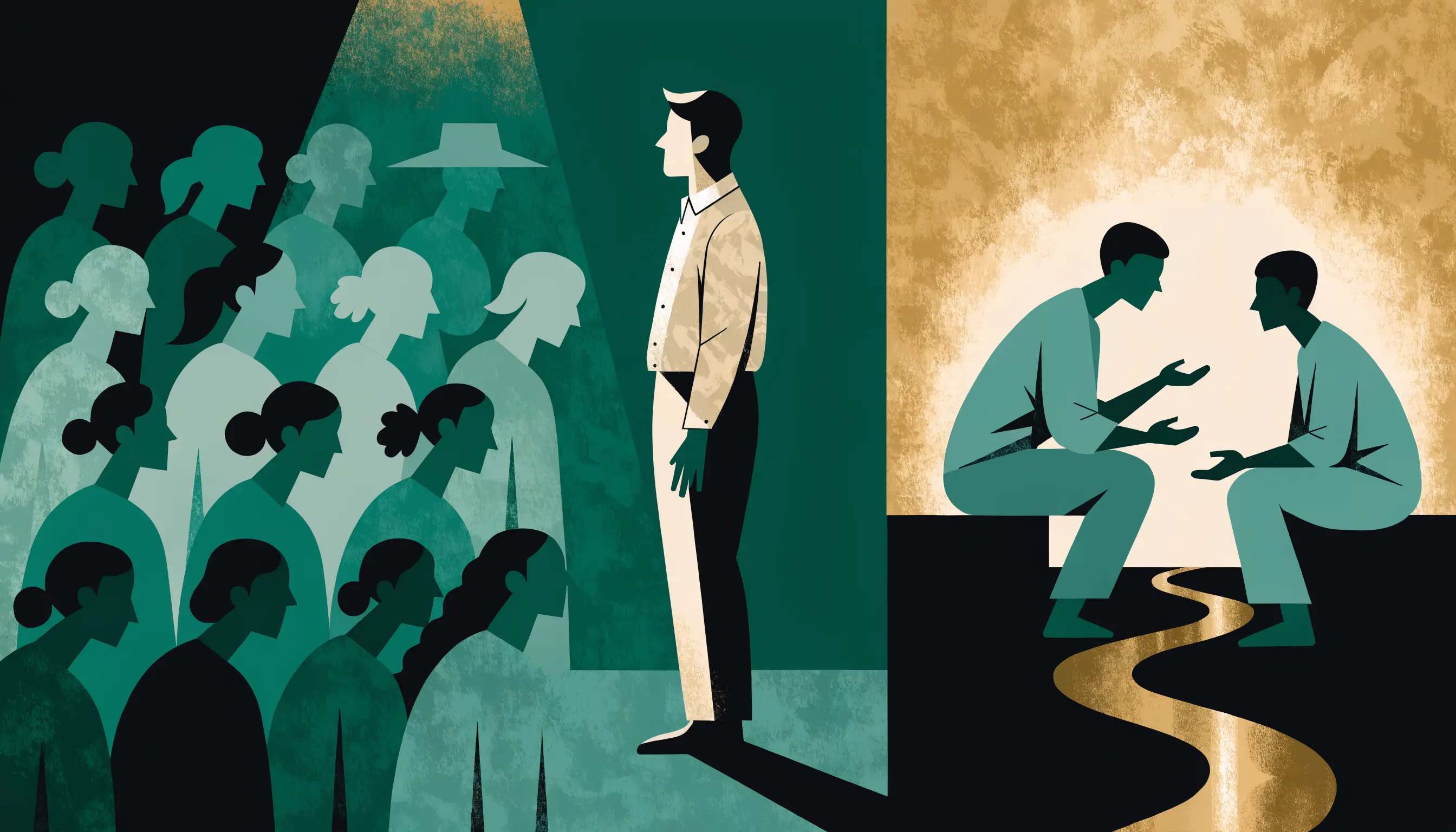
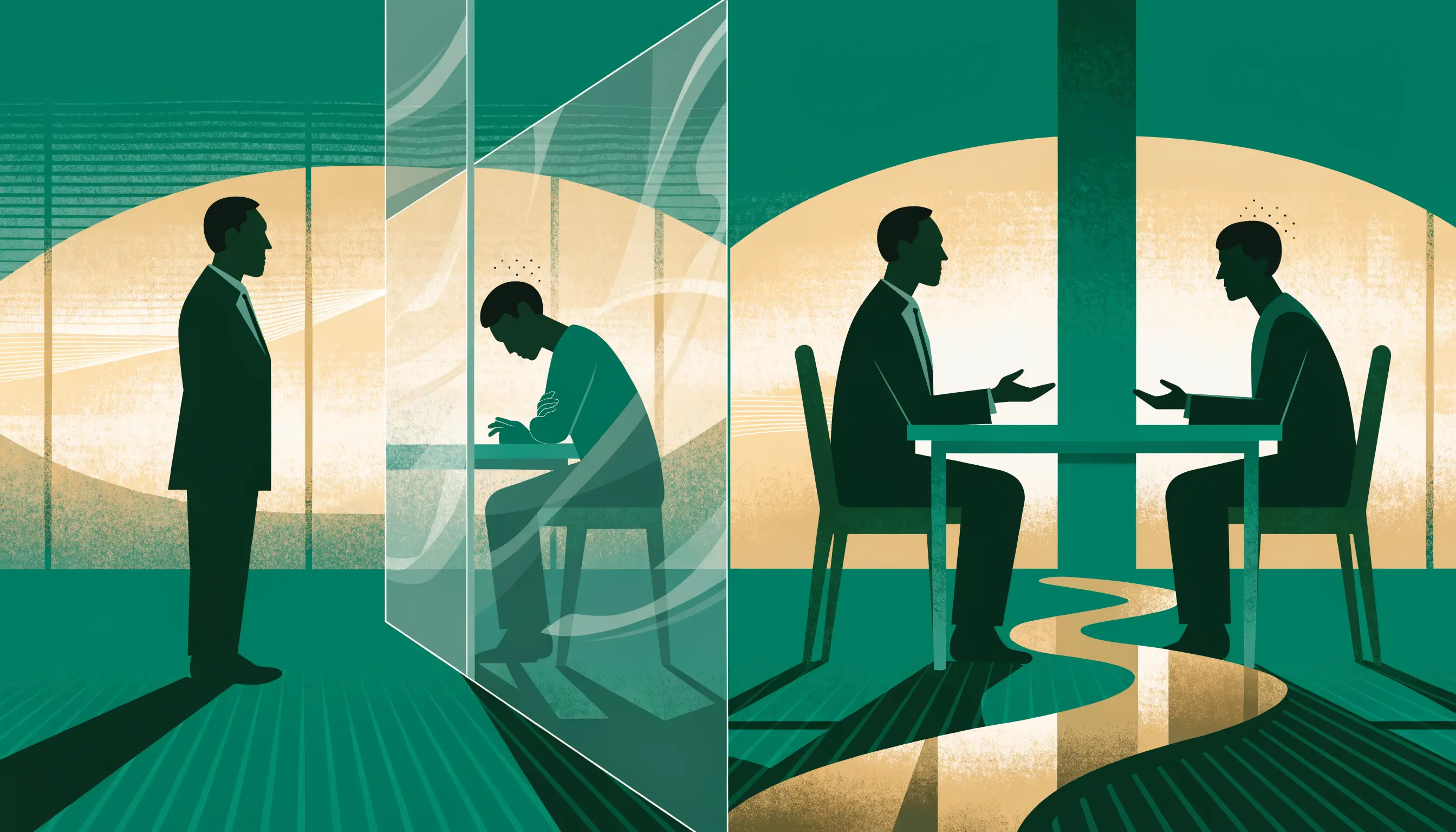
R — Relationship & CultureTeams need a clearer way to read intent across culture, hierarchy, and generation.
The gap: people carry different cultural assumptions, generational expectations, hierarchy habits, and trust rules into the same workplace.
The signal it is active: cross-cultural friction becomes quiet frustration, and mixed generations rely on assumptions instead of working agreements. Example: people agree in the meeting, then each group carries a different expectation back to work.
Primary path: Team & Cross-Functional Performance.
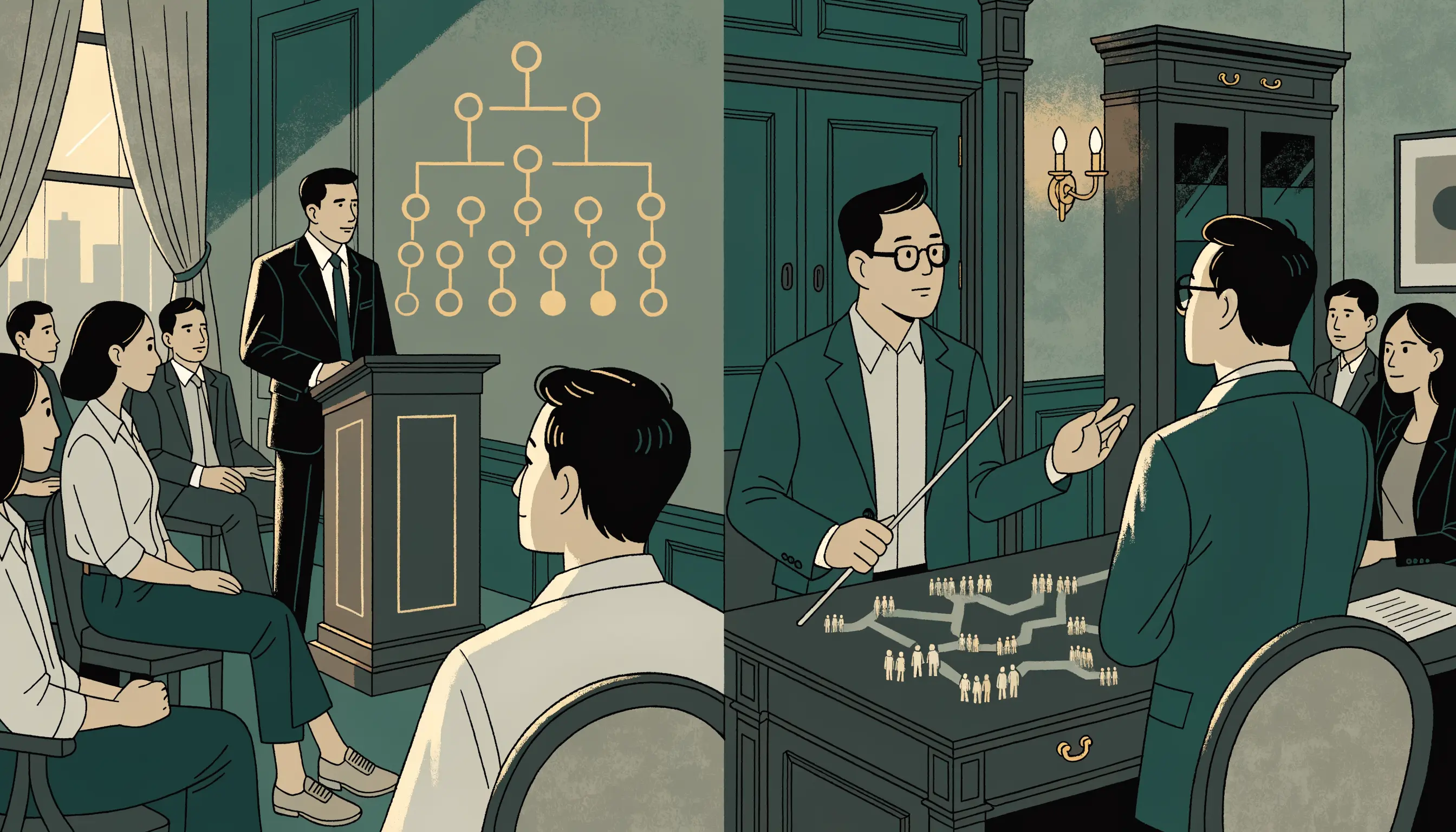
I — Invisible LeadershipCapable managers need more voice, presence, and influence.
The gap: technically strong managers need support to hold sensitive conversations, give feedback that lands, and influence across hierarchy.
The signal it is active: important conversations are delayed, feedback is misunderstood, and good people begin to disengage. Example: a capable manager knows the issue, but waits too long to speak because the relationship feels delicate.
Primary path: Leadership Performance, designed around the leader level and the influence gap.
D — Doing & DonePeople understand the concept, and need support to practise it at work.
The gap: the idea is understood in the room, but the workplace behaviour is not visible yet.
The signal it is active: old habits return within 90 days, and people can describe what they learned but do not yet show it under pressure. Example: the team knows the framework, but reverts when the customer, deadline, or senior stakeholder pushes back.
Primary path: Change, Decision & Commercial Performance, using the simulation that makes behaviour visible under pressure.
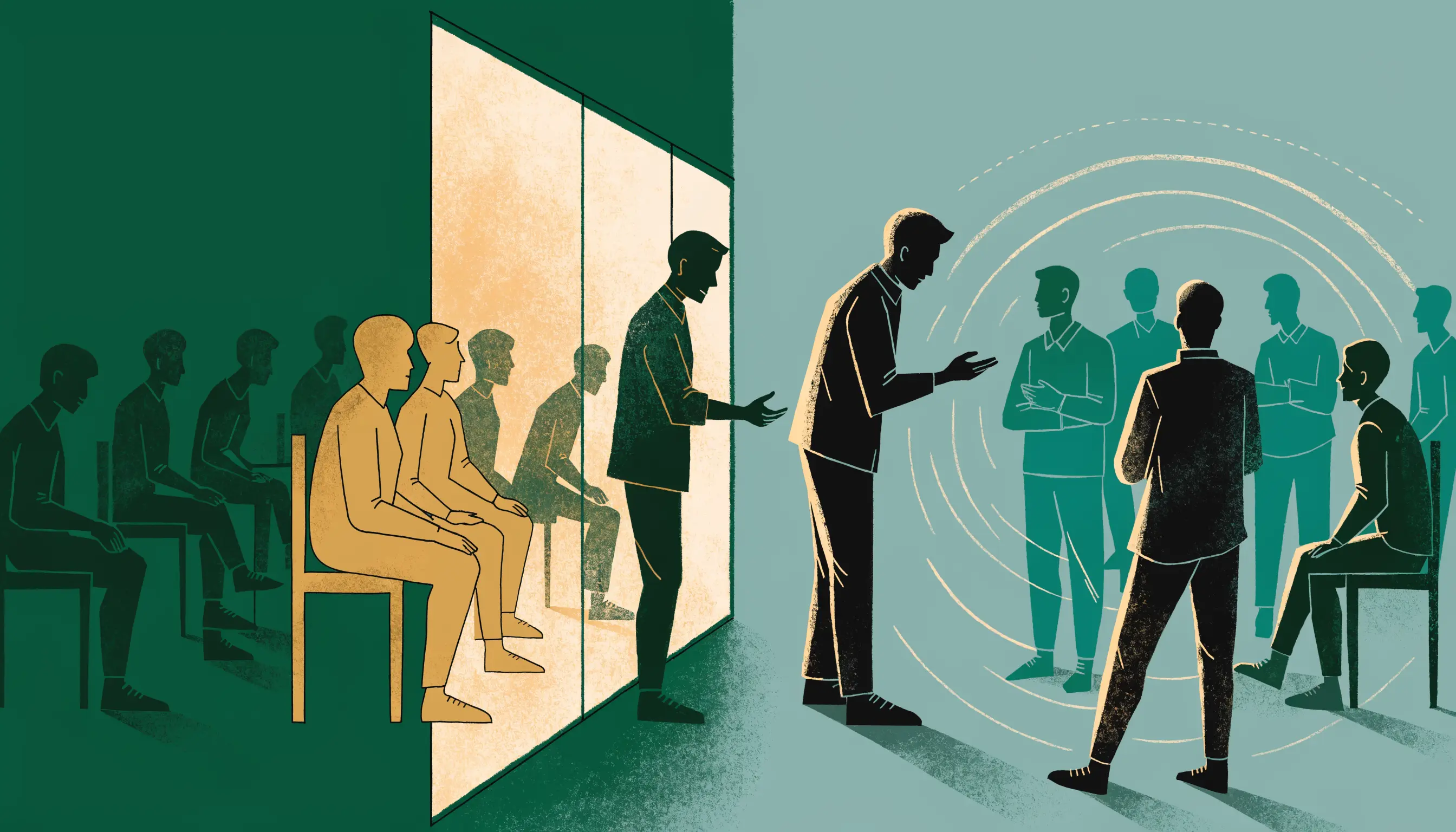
G — Growth TransferTraining happens, and the next step is workplace transfer.
The gap: learning happens in the room, but practice, manager reinforcement, and visible workplace application need to be built in.
The signal it is active: evidence of behaviour change is unclear after the programme, and managers have not yet coached the new behaviour. Example: participants enjoyed the room, but their manager cannot see what changed after two weeks.
Primary path: Internal Capability Systems.
E — Execution RhythmStrategy is clear, and ownership needs a stronger follow-through rhythm.
The gap: daily decisions, meeting rhythms, and follow-through across departments need to match the stated direction.
The signal it is active: decisions pause, meetings produce limited movement, and the front line does not shift within weeks of a strategy change. Example: everyone knows the priority, but owners, handoffs, and review dates are still unclear.
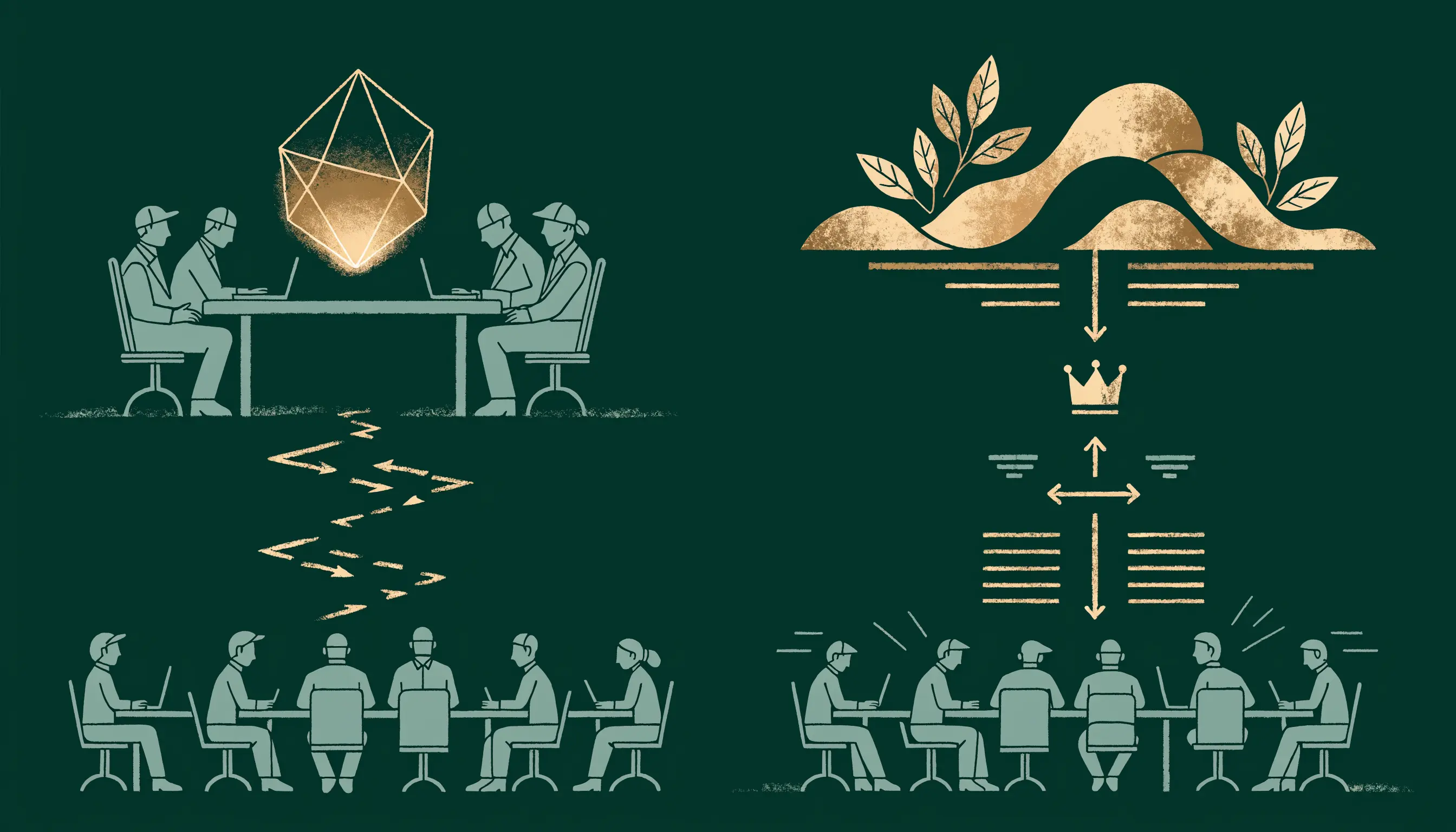
Primary path: Team & Cross-Functional Performance, with leadership coaching and workplace application built into the design.
Why BRIDGE
The right tool becomes clear only after the pressure point is named.
The work can look like leadership training, sales training, coaching, simulations, or assessment. They all serve one job: help people understand, trust, decide, speak, and act together. BRIDGE helps identify the situation first, then choose the right tool. For example, if handoffs keep getting delayed, the work should focus on ownership and review rhythm, not another communication talk.
Not sure which situation is yours? Use BRIDGE Sight to reflect on a recent workplace situation. Its summary gives you questions to explore, without recommending a programme.
Next Step